
Coconut Substrate
One of the most important factors for the ideal cultivation of berry plants is soil quality. Substrate cultivation makes it possible to grow plants in a soil-independent and targeted manner. This sustainable material is derived from the fiber layer of the coconut, which is why it consists of pure coconut pulp or coconut fibers. We source the coconut substrate we use from the innovative company Botanicoir in Sri Lanka. We were able to see the high quality of their products for ourselves during an on-site visit.
The substrate is compressed and then packaged into blocks, briquettes, or planting bags. This ensures it is optimally prepared for its intended use.
Substrate Blocks and Briquettes
Coconut-based substrate blocks and briquettes are particularly well-suited for planters, window boxes, and flowerpots due to their ease of use. First, the substrate is moistened, causing the coconut material to expand like a sponge. The loose substrate is then ready for planting. Thanks to its high quality, the material can be reused for several years. As standard, we only supply washed and buffered coconut substrate. However, it is not pre-fertilized.
Planting Bags
Planting bags, also known as grow bags, come in two different designs, each suited for different types of planters. The coconut fiber mats have an elongated, flat shape, whereas the coconut fiber planters are rounder and taller. Thanks to their pre-cut openings, these planting bags are ideal for growing strawberries and raspberries. To use them, moisten the coconut material and place the intended plants into the plastic bag through the pre-cut opening. Planting can be done directly in the plastic bag. Like substrate blocks and briquettes, planting bags can be reused for several years.

Substrate bag 100x20x8cm white
Substrate bag with pre-cut openings for 8 plants.
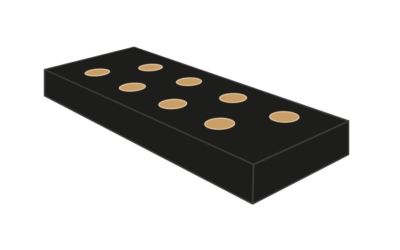
Substrate bag 100x20x8cm black
Substrate bag with pre-cut openings for 8 plants.
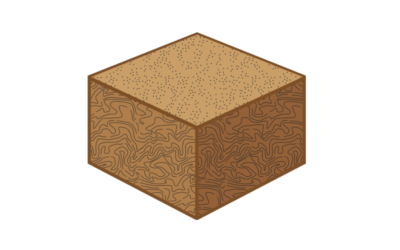
Substrate block
10l substrate blocks are ideal for individual applications.

Substrate bag 100x15x8cm white
Substrate bag with pre-cut openings for 6 plants.

Substrate bag 100x15x8cm black
Substrate bag with pre-cut openings for 6 plants.
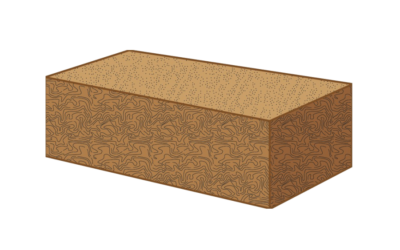
Substrate-Briquettes 650g
Substrate briquettes weighing 650g yield approximately 7l of substrate.
Substrate Culture
Substrate culture is a specialized form of berry fruit cultivation in greenhouses, tunnels, or under rain covers. It is also used in cultivation with substrate furrows or ridges, or in rack-based systems. In this method, very vigorous tray-grown, nursery-bed-grown, or Frigo A+ plants are used for strawberries, enabling the highest yields to be achieved. For raspberry plants, long canes or potted green plants are primarily used.
Planning irrigation and fertigation is crucial for successful substrate cultivation. A professional assessment of the irrigation water through water analysis is recommended. An optimal supply of water and nutrients can be ensured using drip hoses, individual drippers, or pipe sprinklers.
Advantages of substrate culture:
• Flexibility in location: No need to set up or take down tunnels; new land is not absolutely necessary
• Water and nutrient management: Targeted supply, good water-holding capacity
• Optimal root growth: Air-permeable, loose texture, high calcium content
• Better fruit quality: uniformly sized fruit with good harvest efficiency
• Higher yields: supported by an adequate supply of water and nutrients
• Soil depletion: fertile soil is preserved
• Timely cultivation: more precise planning of the harvest period
• Protected cultivation: weed-free, prevention of leaf and root diseases
Points to consider for substrate cultivation:
• Reliable water source and water quality: A well, pond, or municipal water supply should be available
• Irrigation system designed for up to 12 irrigation cycles per day
• Daily monitoring of the crop: Daily and regular inspection of the crop is essential
• Specialized consulting: For substrate cultivation, specialized consulting on fertilization and crop management is absolutely essential